
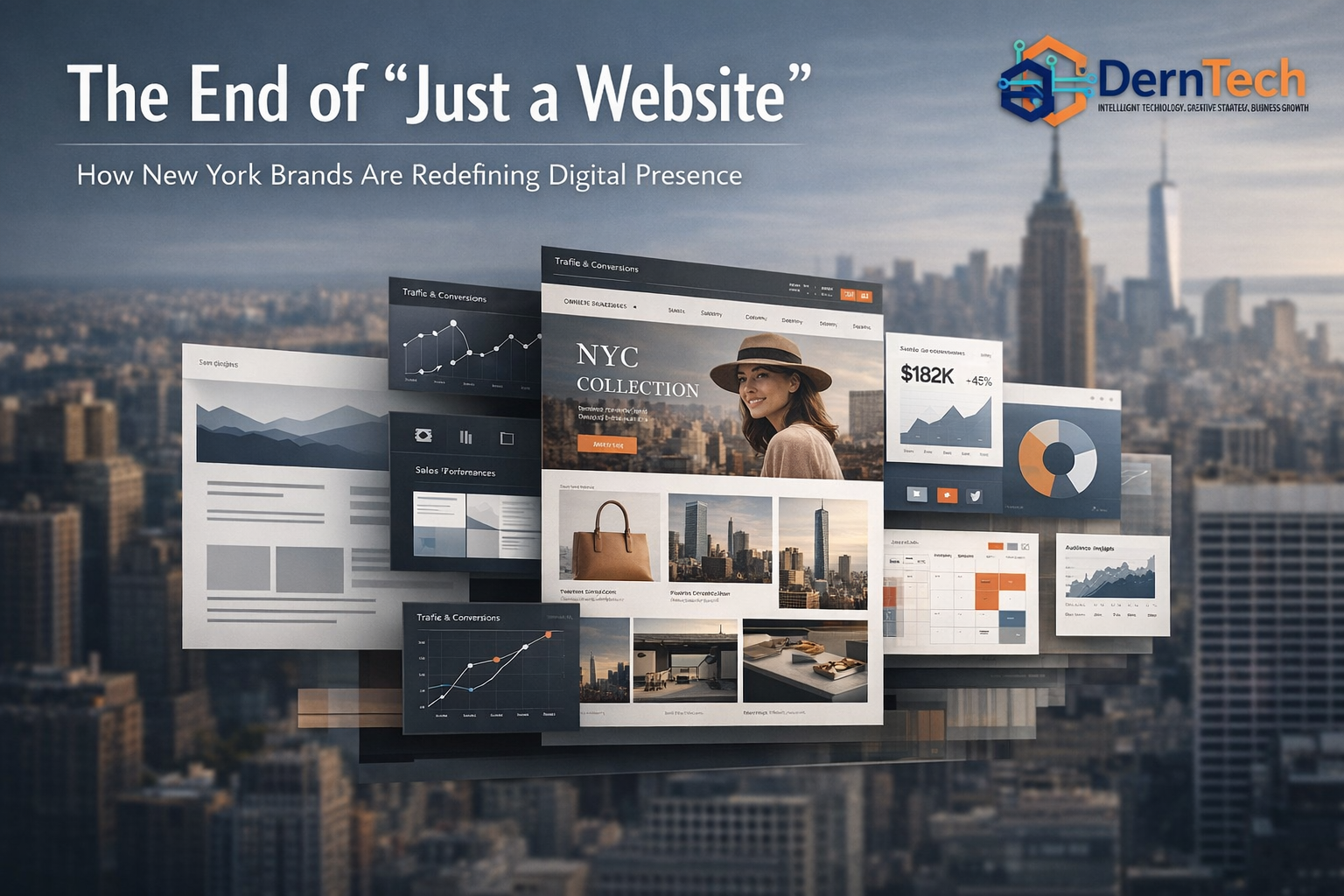
For a long time, a website was treated as a static business requirement. Companies built one, launched it, and moved on. As long as it looked acceptable and had basic information, it was considered “done.”
That mindset no longer exists especially in New York.
In one of the most competitive business environments in the world, brands have realized that a website is not a digital placeholder. It is a core business asset that directly influences credibility, customer acquisition, brand authority, and revenue growth. As user expectations evolve and competition intensifies, New York brands are redefining what digital presence actually means.
This shift marks the end of “just a website” and the beginning of websites built with strategy, performance, and long-term impact in mind.
Why the Traditional Website Model Is Failing?
The traditional approach to websites focused heavily on appearance and basic functionality. While design still matters, it is no longer enough. Users today expect speed, clarity, relevance, and trust all delivered instantly.
In New York, where customers compare brands subconsciously and decisions happen fast, a weak website creates friction. Even minor issues such as slow loading, unclear messaging, or poor navigation can cost a business real opportunities.
More importantly, outdated websites fail because they are disconnected from business goals. They do not support marketing efforts, they do not guide users toward action, and they do not scale with growth. As a result, many New York companies are rebuilding not redesigning their digital foundations.
Digital Presence Is Now a Business Strategy
Modern New York brands no longer view their websites as standalone projects. Instead, they treat them as part of a broader business strategy.
A strong digital presence now aligns with:
- How customers discover the brand
- How trust is established online
- How leads are generated and qualified
- How marketing and sales teams operate
This strategic shift explains why businesses are increasingly partnering with a web design and development company rather than hiring freelancers or handling design and development separately. Integration has become essential.
How New York Brands Approach Web Design Differently
What sets New York companies apart is not budget it is perspective. Brands in NYC understand that design decisions influence user behavior, perception, and search visibility.
Instead of focusing on trends, they focus on outcomes.
Design Built on Intent, Not Aesthetics
Modern web design begins with understanding user intent. What problem is the visitor trying to solve? What decision are they trying to make? Every section, layout choice, and interaction is mapped to that intent.
This approach leads to cleaner designs, clearer messaging, and stronger engagement.
Performance as a Trust Signal
Speed, responsiveness, and stability are no longer technical concerns they are trust indicators. Users associate slow or broken websites with low-quality businesses. This is why performance optimization is now a standard expectation when working with a professional web design company, not an optional upgrade.
The Expanding Role of a Website Development Agency
A modern website development agency does far more than write code. Its role has expanded to include architecture planning, scalability, security, SEO readiness, and long-term maintainability.
New York brands expect their development partners to think ahead:
- Will this structure support future services?
- Can the website handle increased traffic?
- Is it easy to update and evolve?
Agencies that understand these questions help businesses avoid costly rebuilds and technical debt.
SEO Is Being Built into the Foundation
One of the most important changes in how websites are built today is the integration of SEO from the start.
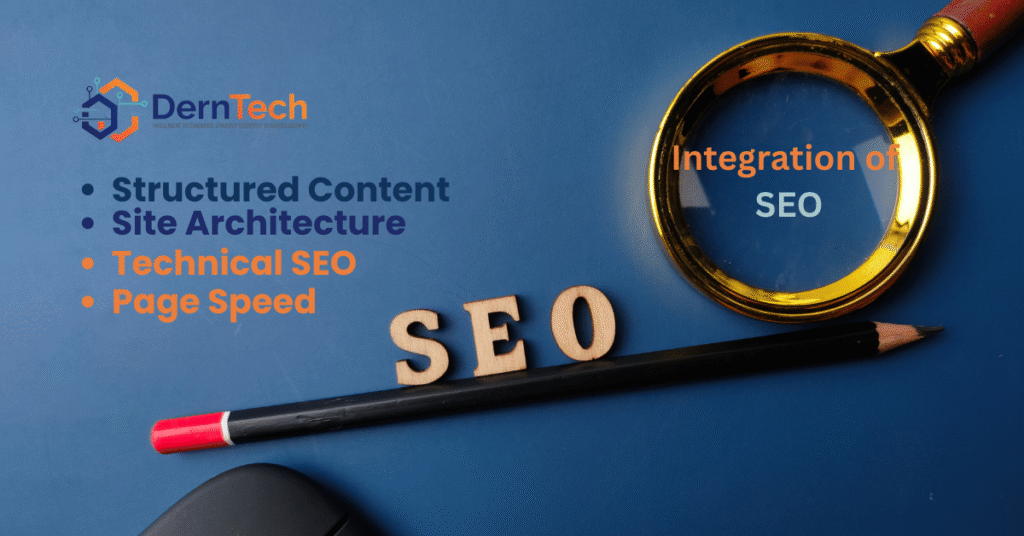
Instead of optimizing pages after launch, New York brands are ensuring that:
- Content is structured around search intent
- Site architecture supports crawlability
- Page speed meets modern standards
- Technical SEO is addressed during development
This approach does not rely on keyword stuffing or shortcuts. It focuses on building websites that search engines and users can both understand easily.
When SEO is embedded naturally into the website’s structure, results become more sustainable.
From Static Pages to Adaptive Platforms
Websites are no longer static assets. They are evolving platforms that respond to data, user behavior, and business needs.
Many New York brands are now building websites that:
- Integrate with analytics and CRM systems
- Support content marketing at scale
- Adapt layouts based on performance insights
- Enable faster updates without redevelopment
This shift has made flexibility a critical requirement. Businesses want platforms that grow with them, not restrict them.
A forward-thinking web design and development company understands this and builds systems not just pages.
Small Businesses Are Adopting Enterprise Thinking
Interestingly, this evolution is not limited to large corporations. Small and mid-sized businesses in New York are adopting the same principles, often with even greater focus.
With limited margins for error, these businesses rely on their websites to:
- Communicate value clearly
- Build credibility quickly
- Compete with larger brands
- Convert traffic efficiently
By investing in smarter design and development, smaller brands are achieving results that were once only possible for enterprises.
The Website as a Revenue-Enabling Asset
A modern website quietly supports revenue generation at every stage of the customer journey. It educates, reassures, and guides users long before a sales conversation begins.

When aligned correctly, a website:
- Reduces sales friction
- Improves lead quality
- Strengthens brand authority
- Supports long-term marketing efforts
New York brands understand that the website is often the hardest-working part of their business operating 24/7 without direct supervision.
Why This Shift Matters More Than Ever
As competition increases and digital noise grows louder, businesses that treat their websites as strategic assets gain an advantage that compounds over time.
The difference is not visual, it is structural.
Brands that invest in clarity, performance, and scalability create digital experiences that last. Those that don’t slowly lose visibility, trust, and relevance.
Redefining What a Website Represents
In today’s New York market, a website represents far more than online presence. It reflects how a business thinks, how it values its customers, and how seriously it takes growth.
The era of “just a website” is over.
What replaces it is something far more powerful: a digital platform built with intention, insight, and long-term vision.
And for brands willing to rethink how their digital presence is built, the opportunities are no longer limited by design but defined by strategy.
In the future of Web development, success will not belong to the most visually impressive websites, but to the ones that are built to evolve.