Pregnancy in 2026 is supported by more technology than ever before. From tracking your baby’s weekly development to logging symptoms, counting kicks, and organizing doctor appointments, the best pregnancy apps have evolved into digital companions for every trimester. Whether you’re looking for the best pregnancy tracker app, the best pregnancy app free, or a premium tool with advanced insights, choosing the right platform can make your journey smoother and more informed.
This guide compares the top pregnancy apps available today, explains how they work, and helps you decide which one fits your needs, lifestyle, and budget.
What Is a Pregnancy App and How Does It Work?
A pregnancy app is a mobile application designed to help expectant parents track fetal development, monitor symptoms, and access educational resources throughout pregnancy. Most apps personalize content based on your estimated due date, delivering daily or weekly updates tailored to your current stage.
Modern pregnancy tracker apps combine medical information, interactive tools, reminders, and community features. Some focus heavily on data tracking and health metrics, while others emphasize emotional support, visual baby growth models, or social networking with other parents-to-be.
At their core, pregnancy apps function as structured digital journals powered by gestational timelines.
What Does a Pregnancy Tracker App Track?
The best pregnancy tracking apps monitor a wide range of pregnancy-related data. Most allow users to log symptoms such as nausea, fatigue, headaches, mood changes, and food cravings. Many also include weight tracking, sleep monitoring, hydration logs, and exercise records.
Advanced apps go further by offering kick counters, contraction timers, and even pelvic floor (kegel) exercise tracking. Some provide weekly fetal development visuals and 3D renderings to help parents understand how their baby is growing.
Tracking serves two main purposes: personal awareness and medical communication. Having organized data can make OB-GYN visits more productive, especially when discussing symptom frequency or patterns.
How Pregnancy Apps Calculate Due Dates
Pregnancy apps typically calculate your due date using the first day of your last menstrual period (LMP). Based on this date, the app estimates gestational age and aligns daily or weekly content accordingly.
Some apps allow users to adjust the due date after a medical ultrasound confirms gestational age. Because ultrasound measurements in early pregnancy are often more accurate than LMP estimates, the ability to update this information ensures that fetal development timelines remain precise.
Once the due date is set, the app structures all updates, milestone notifications, and trimester transitions around that timeline.
Difference Between Free and Paid Pregnancy Apps
Free pregnancy apps usually offer core tracking features such as weekly development updates, symptom logs, and basic tools like kick counters. However, premium versions often include advanced 3D baby visuals, ad-free experiences, personalized insights, exportable reports, and expanded content libraries.
The best free pregnancy tracking apps are sufficient for many users, especially those who simply want updates and tracking tools. Paid versions become valuable for parents seeking deeper personalization, enhanced visuals, or exclusive educational resources.
How We Chose the Best Pregnancy Apps in 2026
Selecting the best pregnancy apps requires more than comparing star ratings. We evaluated apps based on medical credibility, functionality, usability, data security, and overall value.
Medical Accuracy & Expert-Reviewed Content
Reliable pregnancy apps should provide medically sound information aligned with established prenatal care guidelines. Apps that include expert-reviewed articles, evidence-based content, and transparent health disclaimers rank higher in credibility.
Because misinformation can increase anxiety during pregnancy, trustworthy content is essential.
Tracking Features (Symptoms, Weight, Kicks, Contractions)
The best pregnancy tracker app should offer comprehensive tracking without becoming overwhelming. Essential tools include:
- Symptom logging
- Weight tracking
- Kick counter
- Contraction timer
- Appointment reminders
Apps that balance depth and simplicity perform best in real-world use.
User Experience & Ease of Use
Pregnancy can be physically and emotionally demanding. An intuitive interface, clean layout, and smooth navigation matter more than complex dashboards. Apps that deliver information clearly without clutter improve daily engagement.
Data Privacy & Security Standards
Health data is sensitive. The best pregnancy apps maintain clear privacy policies, encrypted data storage, and transparent terms regarding third-party sharing. Users should review privacy settings before entering detailed health information.
Free vs Premium Value
An app doesn’t need to be expensive to be effective. We evaluated whether premium subscriptions genuinely enhance the experience or simply remove ads.
Best Pregnancy Apps 2026 (Detailed Comparison)
1. Pregnancy+
Pregnancy+ is widely recognized for its immersive 3D fetal development models. The app provides realistic, zoomable visuals that help parents understand weekly anatomical changes. In addition to visuals, it delivers daily articles tailored to gestational age, hospital bag checklists, and customizable birth plans.
Its tracking tools include kick counters, contraction timers, and appointment reminders. The interface is visually polished, making it appealing to first-time parents who appreciate interactive learning.
The free version offers substantial functionality, while the premium subscription unlocks additional customization and removes ads. A potential drawback is that some enhanced features require payment, but the base experience remains strong enough for most users.
2. Ovia Pregnancy Tracker
Ovia Pregnancy Tracker stands out for its detailed health tracking system. It allows users to log a wide range of symptoms and lifestyle factors, generating personalized insights based on the information entered.
The app’s baby size comparisons, ranging from fruits to fun objects, add a lighthearted touch, but its strength lies in its data depth. Many users appreciate the ability to create detailed reports for medical appointments.
Ovia is considered one of the best free pregnancy tracking apps because its core features are available without cost. Some users may find the level of data entry extensive, but for those who prefer thorough monitoring, it is highly effective.
3. The Bump
The Bump blends pregnancy tracking with practical preparation tools. Alongside weekly growth updates, the app offers registry management features that allow parents to organize items across retailers.
Its content focuses on real-life preparation, including checklists and stage-specific advice. While it doesn’t emphasize in-depth medical tracking, it excels in organization and planning.
Community features are present but not as extensive as some competitors. Overall, The Bump is ideal for parents who want structure and practical guidance.
4. What to Expect
What to Expect combines daily educational updates with one of the largest pregnancy communities available in an app format. It includes 3D baby visuals, symptom tracking, and personalized content aligned with gestational age.
The community forums are organized by due date month, allowing users to connect with others at the same stage. This emotional support component is a major strength.
While content-rich, the interface can feel busy for users who prefer minimalism. However, for those seeking reassurance and peer connection, it ranks among the best pregnancy apps of 2026.
5. BabyCenter
BabyCenter is known for its extensive library of expert-reviewed articles and a strong online parent community. The app provides daily fetal development updates, kick counters, contraction timers, and helpful educational resources.
One of its strengths is the transition from pregnancy to postpartum support, making it useful beyond delivery. The app may display ads in the free version, but its content credibility remains a significant advantage.
Best Free Pregnancy Tracking Apps
Free pregnancy tracking apps can provide meaningful support without requiring subscriptions.
What You Get Without Paying
Most free apps include weekly development updates, symptom logs, kick counters, and community access. For many users, these tools are sufficient for staying informed and organized.
Limitations of Free Pregnancy Apps
Free versions often include ads and may restrict advanced features such as enhanced 3D visuals or exportable medical reports. Some apps limit personalization without upgrading.
When Upgrading to Premium Makes Sense
Upgrading is worthwhile if you value ad-free browsing, enhanced visuals, deeper analytics, or exclusive educational content. Parents who prefer structured planning tools may also benefit from premium subscriptions.
Feature Comparison Table (Free vs Paid)
| Feature | Free Version (Typical) | Paid / Premium Version (Typical) |
| Weekly Baby Development Updates | Basic weekly growth updates with size comparisons and short educational summaries | More detailed explanations, enhanced visuals, and sometimes personalized daily insights |
| Symptom & Mood Tracking | Standard symptom logging with limited analytics | Advanced tracking with trend analysis, exportable health reports, and deeper customization |
| Kick Counter & Contraction Timer | Available in most top apps with basic logging | Enhanced tracking history, detailed timing charts, and labor pattern insights |
| Appointment Reminders | Simple calendar reminders and manual entries | Smart reminders, recurring scheduling, integration with birth plans, or export options |
| Community Access | Limited forums or basic discussion groups (may include ads) | Priority groups, exclusive expert sessions, and ad-free community browsing |
| 3D Baby Visualizations | Basic 2D images or limited 3D previews | Interactive, zoomable 3D models with detailed anatomical views |
Are Pregnancy Apps Accurate and Safe?
Pregnancy apps are valuable tools for tracking symptoms, monitoring fetal development, and accessing educational resources, but they are not a substitute for professional medical care. While most apps use medically informed guidelines, every pregnancy is unique, and these tools provide general guidance rather than personalized advice.
It’s essential to review each app’s privacy policy, as sensitive data like symptoms, weight, and due dates may be collected and stored. Choose apps with strong security and clear data practices.
Always seek medical attention for concerning symptoms such as severe pain, bleeding, or decreased fetal movement. Pregnancy apps support awareness and organization, but your healthcare provider remains the primary source for safe and accurate care.
Final Verdict: Which Pregnancy App Is Right for You?
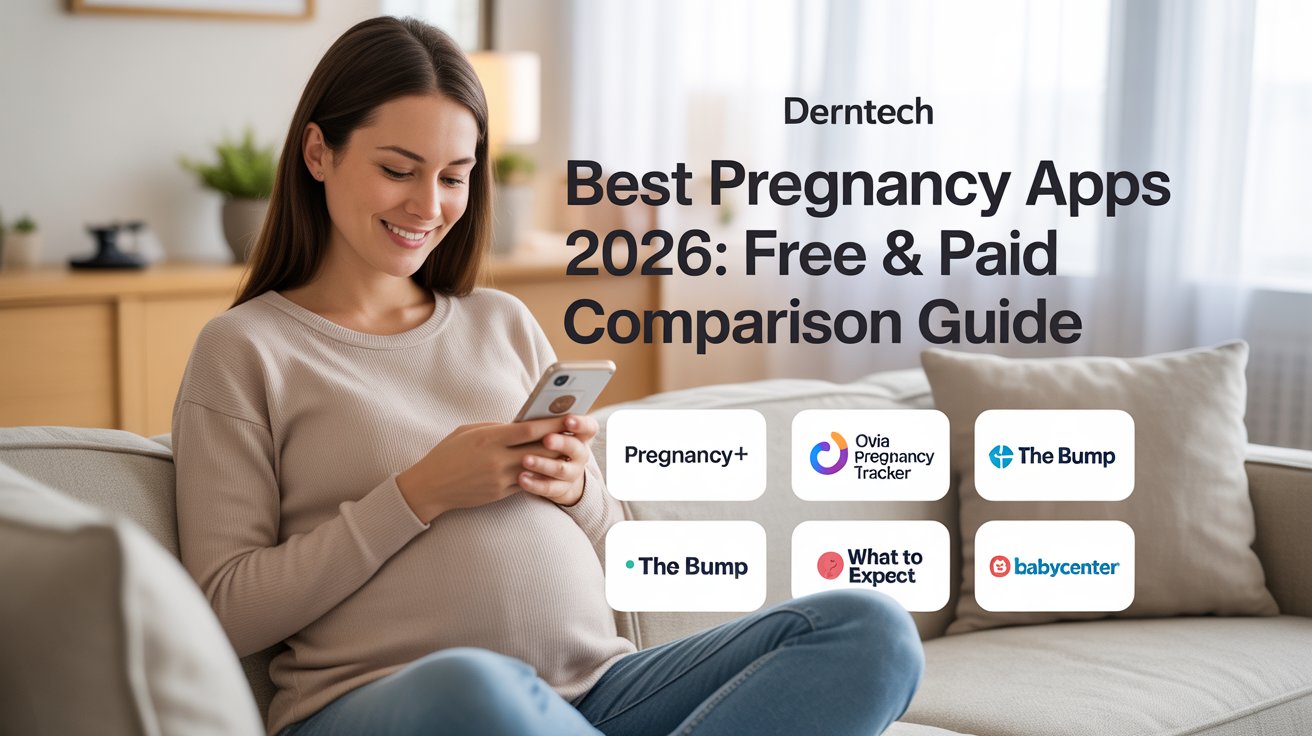
Choosing the best pregnancy app depends on your priorities. If you want immersive visuals and structured planning tools, Pregnancy+ offers a balanced experience. For detailed symptom tracking and personalization, Ovia Pregnancy Tracker is a strong free option. Parents seeking practical organization tools may prefer The Bump, while those who value community support and shared experiences often gravitate toward What to Expect or BabyCenter.
And if you’re planning to launch your own pregnancy app with advanced tracking features, personalized dashboards, and a supportive community experience, partnering with DernTech can help turn your idea into a professional, user-friendly digital product. From concept to deployment, the right development team ensures your app is secure, scalable, and designed with real users in mind.
Ultimately, the best pregnancy tracker app is the one users consistently trust, rely on, and feel supported by throughout their pregnancy journey.
Also Read: Top 13 Best Websites to Watch Free Movies Online
Frequently Asked Questions
What is the best free pregnancy tracker app?
Ovia Pregnancy Tracker and Pregnancy+ both offer robust free versions with essential tracking tools and educational updates.
Which pregnancy app is most accurate?
Accuracy depends on medical content quality and correct due date entry. Apps with expert-reviewed resources and customizable timelines tend to provide more reliable guidance.
Are paid pregnancy apps worth it?
Paid apps are worth it if you value enhanced visuals, detailed reports, or ad-free experiences. Otherwise, many free apps are sufficient.
Can pregnancy apps replace doctor visits?
No. Pregnancy apps support education and organization, but cannot replace prenatal care.
Which pregnancy app is best for first-time moms?
Apps with strong educational libraries and community support, such as What to Expect or BabyCenter, are often helpful for first-time parents.